Bacolod City’s Garbage Problem: When “Collected” Doesn’t Mean Collected
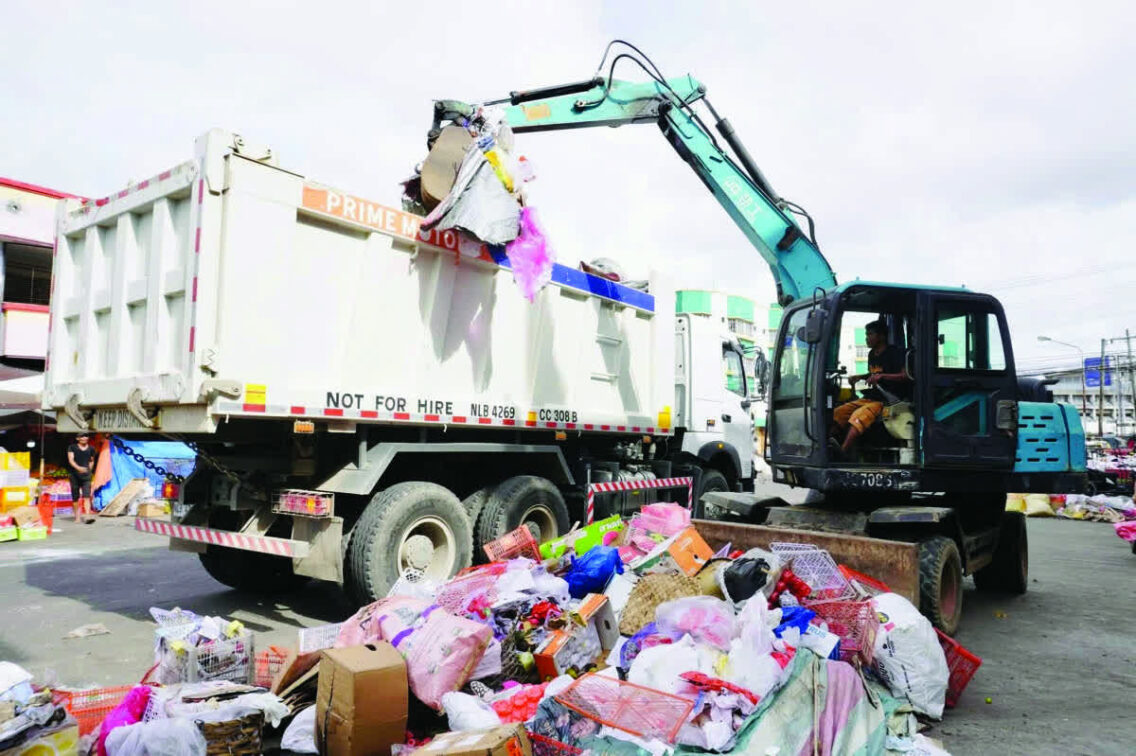
I live in Bacolod City. I don’t get my information from press releases or carefully worded statements—I get it from walking past the same pile of garbage that’s been sitting on our street longer than some New Year’s resolutions.
So when the city says there are “steps to remediate” the garbage problem under the administration of Greg Gasataya, I honestly want to know: where are those steps happening? Because they are clearly not happening here.
The New Garbage Collection Reality (On the Ground)
Under the new garbage collection team, service has become wildly inconsistent.
Here’s the usual routine:
- The garbage truck enters the subdivision ✔️
- It collects trash from some streets ✔️
- It skips ours ❌
- When asked why, the answer is always the same: “Full na ang truck.”
Okay. Trucks get full. That part is understandable.
What’s not understandable is this: they don’t come back.
Not later that day.
Not the next day.
Sometimes not even on the next scheduled pickup.
Yet officially, the record will say garbage was collected inside the subdivision. Which is technically true—but for residents on skipped streets, that technicality doesn’t remove the smell, the pests, or the growing frustration.
Selective Service Is Still Poor Service
The problem isn’t the absence of garbage trucks. The problem is selective collection with zero follow-through. Some streets get serviced. Others are left behind. Complaints are logged. Hotlines exist. And still—nothing changes.
At some point, residents stop feeling like partners in the system and start feeling like they’re being gaslit by logistics.
Let’s Talk About the Previous Team (Yes, That One)
Under former mayor Albee Benitez, garbage collection was refreshingly boring.
It was:
- Predictable
- Consistent
- Reliable
And here’s the most important part—accountability.
If the previous garbage collection team missed a pickup (because yes, that happens in real life), they came back the very next day, even if it was no longer part of the schedule. No drama. No excuses. No pretending the street didn’t exist.
A missed pickup was treated as a problem to fix, not a reason to disappear.
That one practice alone made a huge difference. Residents didn’t have to chase trucks, file repeated complaints, or watch trash pile up while waiting for the next “official” collection day. There was a clear understanding: if we missed you, we’ll make it right.
That culture of responsibility is painfully absent now.
Why Change What Was Working?
Which brings up a very fair question:
Why replace a contractor that was doing the job well?
If the old system was efficient, responsive, and accountable, why scrap it for something that now feels unpredictable and detached from reality on the ground?
Change for the sake of change isn’t progress—especially when the outcome is visibly worse.
This Is Not Just About Clean Streets
Uncollected garbage isn’t just unsightly. It’s a public health issue. It attracts pests, creates foul odors, and quietly erodes the quality of life for residents who do their part by segregating waste and following schedules.
When people comply but service doesn’t, trust breaks down. And once that trust is gone, no amount of “please understand” messaging will bring it back.
From a Resident, Not a Press Statement
This isn’t written from an air-conditioned office. It’s written from a street that keeps getting skipped.
If remediation efforts are truly underway, they need to show up consistently, return when they miss a pickup, and stop pretending partial service is acceptable service.
Because good governance isn’t about saying the garbage was collected.
It’s about whether it’s actually gone when residents step outside the next morning.